Conservation
Why Reversibility Is the First Rule of Conservation
The most important thing a restorer adds to a painting is the ability to take it back out again. A short essay on the ethic that governs everything we do.
Minute read
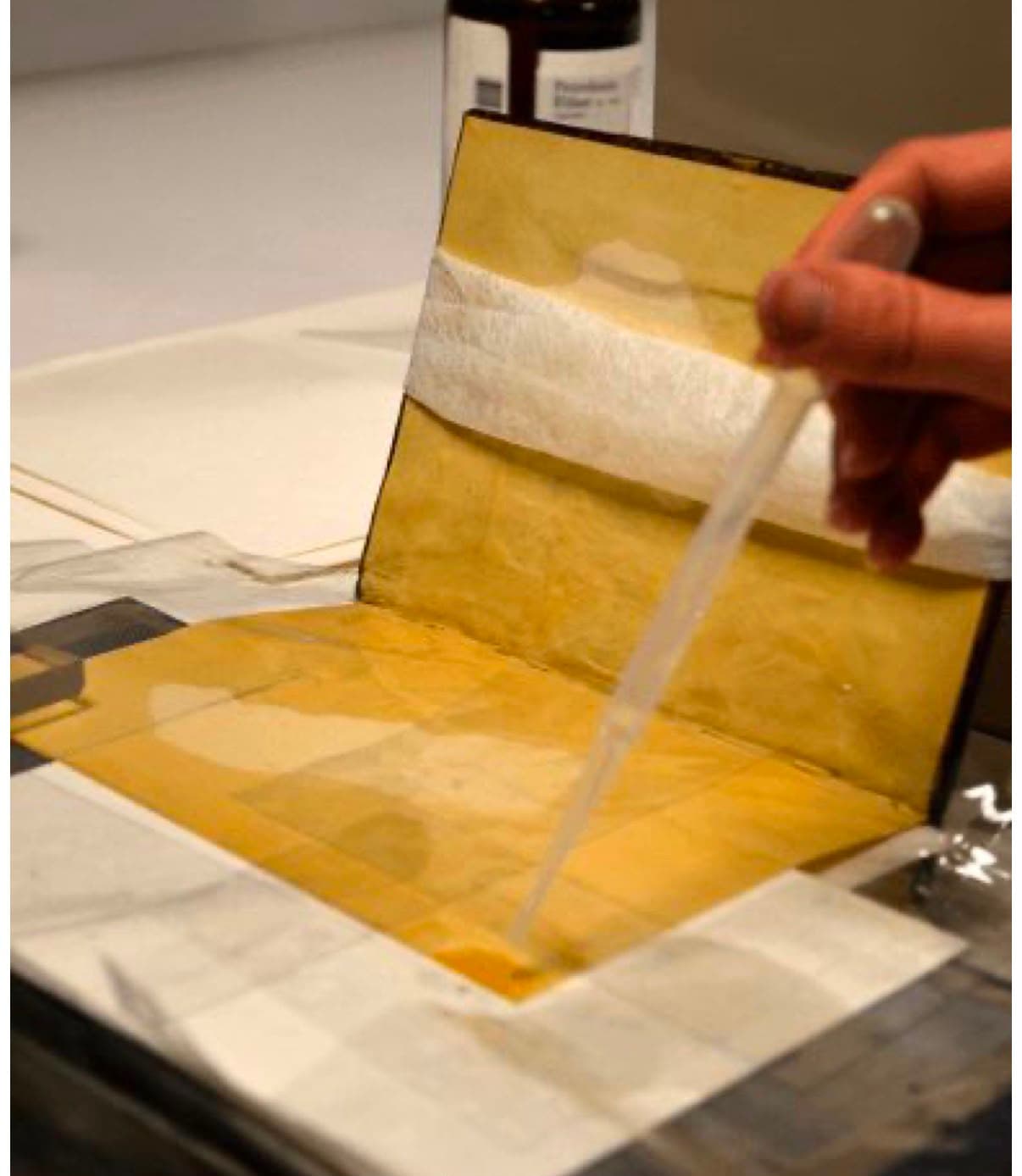
Ask a conservator what separates their work from simple 'restoration', and the answer will almost always come back to a single word: reversibility. Everything we add to a painting — every varnish, every fill, every retouched passage — is chosen so that a future conservator can remove it without harming the original beneath.
It sounds like a technical detail. It is, in fact, an ethic.
Humility toward the original
Reversibility is, at heart, an admission. It accepts that our understanding is incomplete, that materials we trust today may prove imperfect tomorrow, and that the people who care for this work after us deserve the same freedom of action we enjoy. We are not the painting's last custodians — only its current ones.
That is why we retouch only within the boundaries of genuine loss, never over original paint; why we choose synthetic varnishes that stay soluble; and why we document every step. The goal is not to make the work look new but to make it legible, while leaving the next conservator a clear, undoable record of what we did.
The difference you can't see
A well-conserved painting looks, to the visitor, simply like itself. The discipline is invisible. But under ultraviolet light, our interventions fluoresce distinctly from the original — legible to a specialist, hidden from the casual eye. That double standard, transparent to experts and seamless to everyone else, is the quiet signature of conservation done well.
Written by Smriti Rajput, Art Revive Studio.
All journal entries
Begin
Let's discuss your work.
Share a few photographs and a conservator will respond personally within two business days — complimentary, confidential, and without obligation.